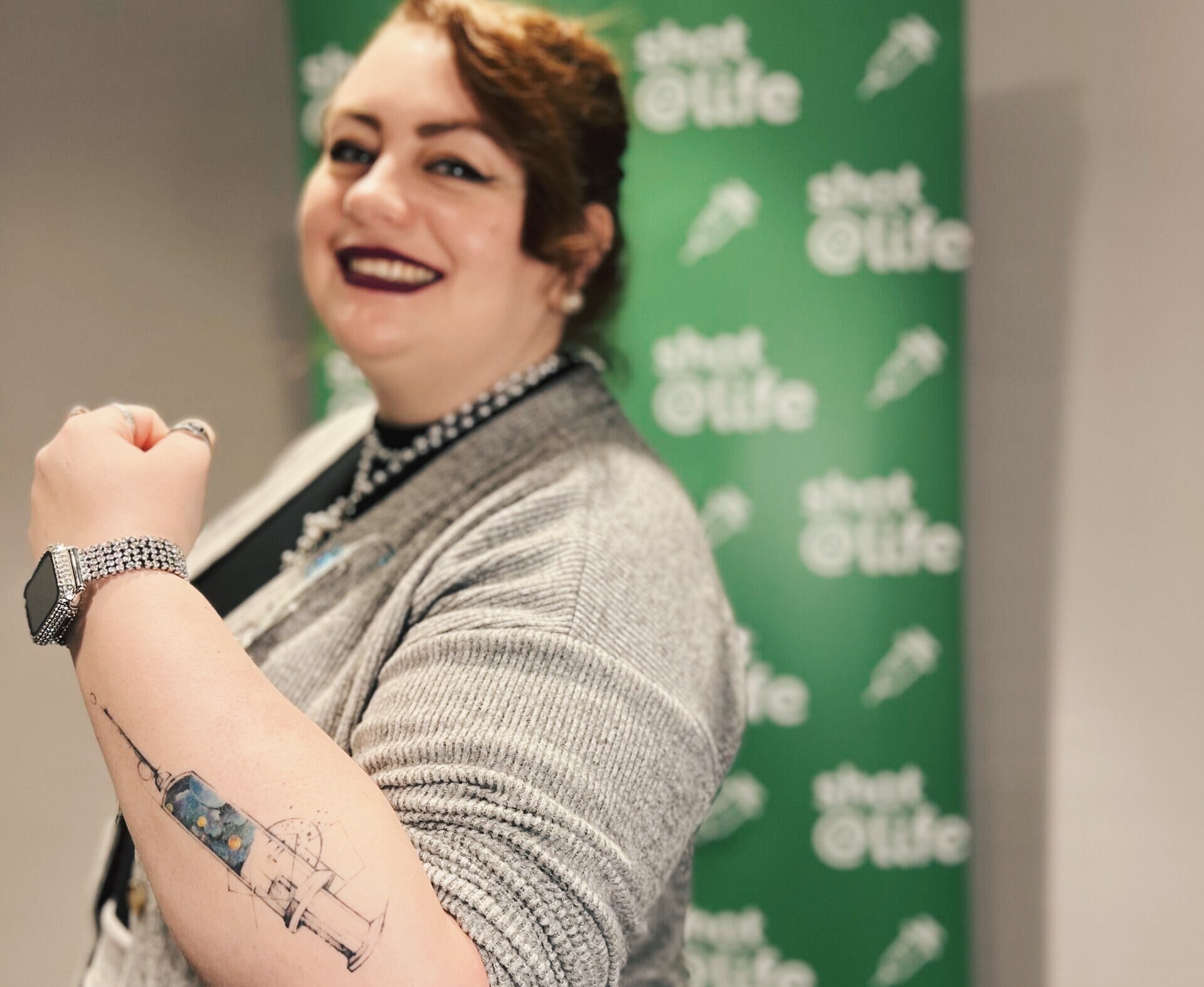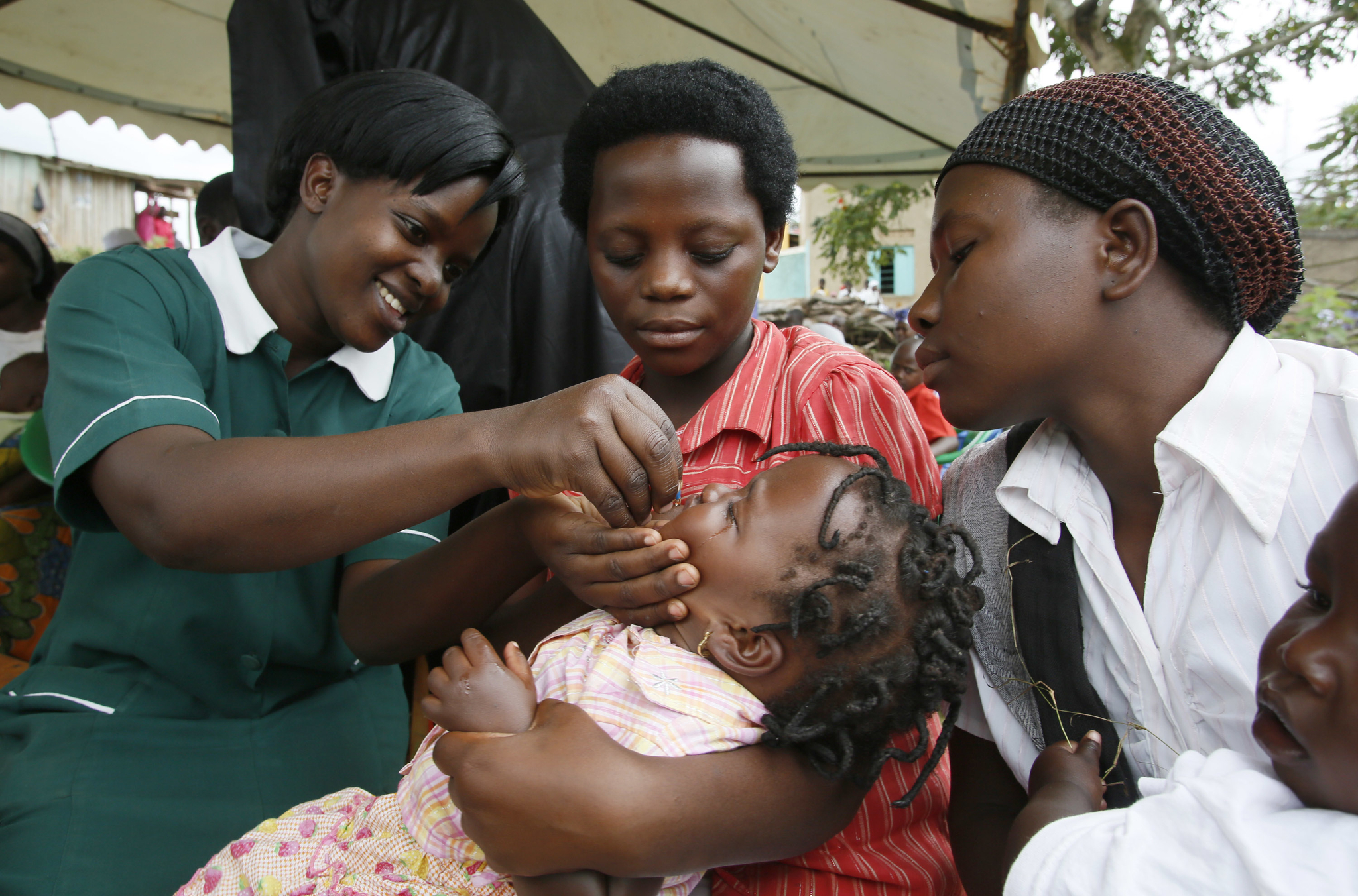
New WHO/UNICEF data shows vaccination coverage slowly inching back to pre-pandemic levels.
Global vaccination coverage is headed in the right direction overall, but still far off from 2030 targets, with concerns over inequities in vaccine distribution and drop-outs.
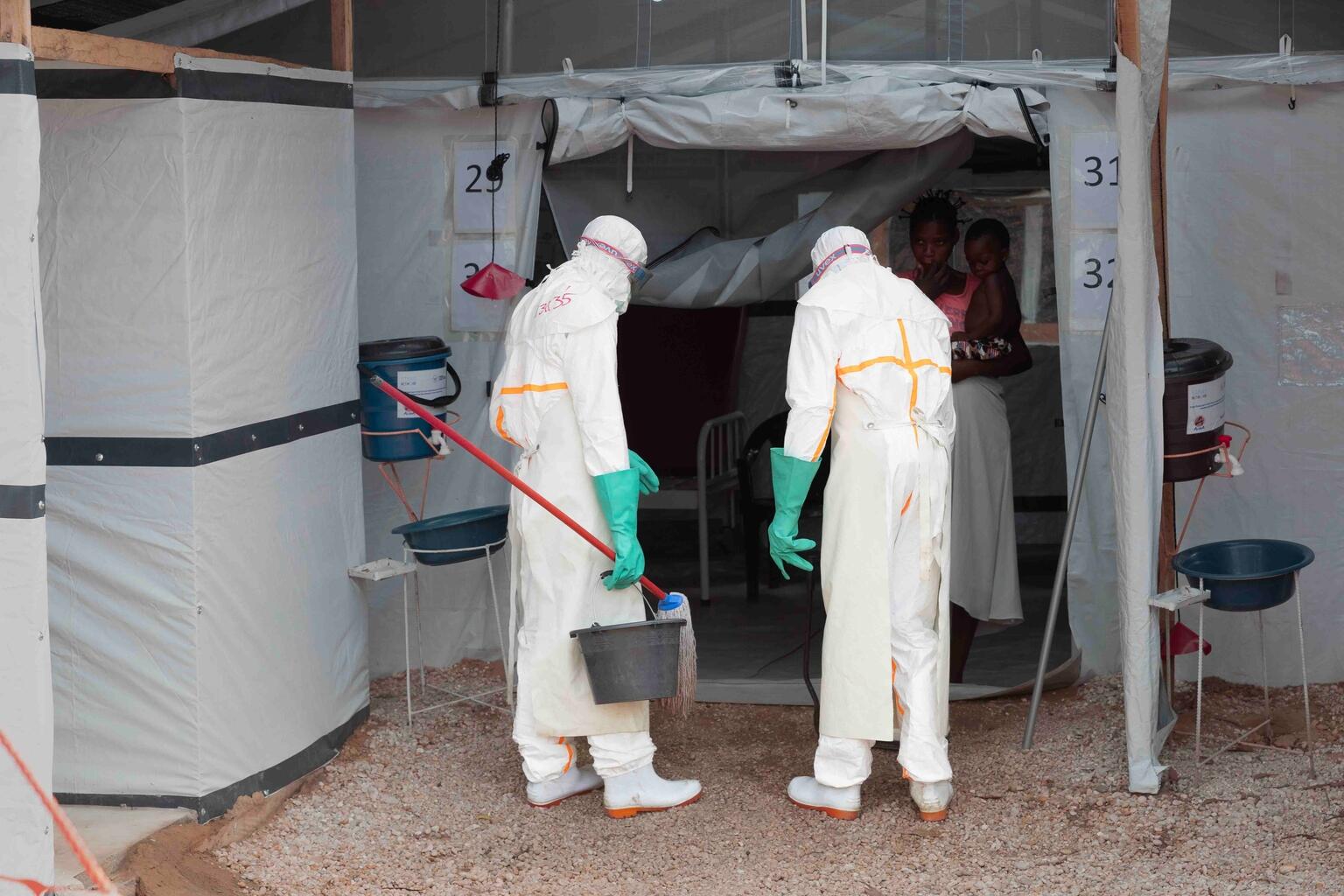
Two Outbreaks, Four Lessons
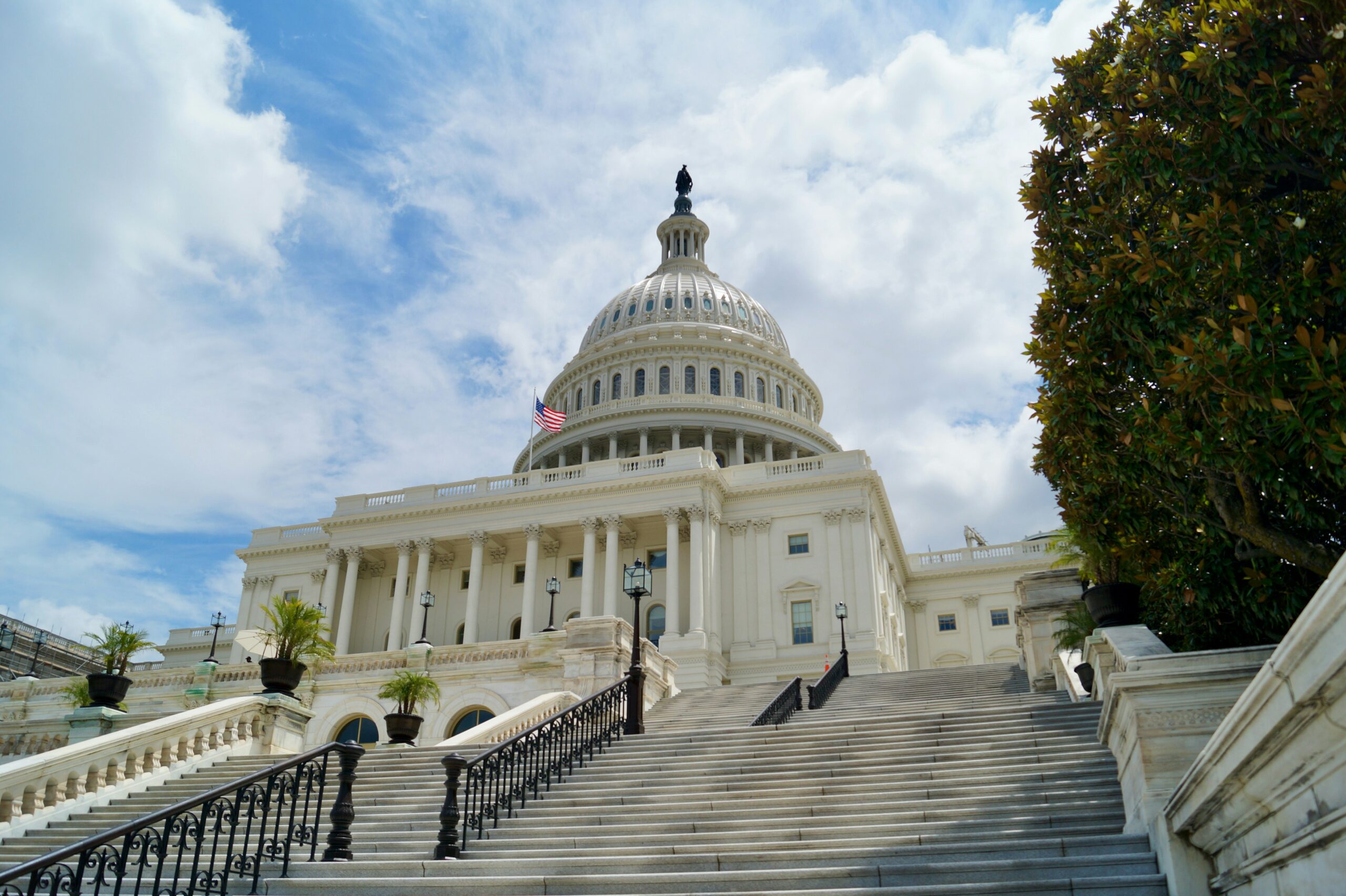
The FY27 House Foreign Affairs Bill, Explained
Everything you need to know about what's next for global health.
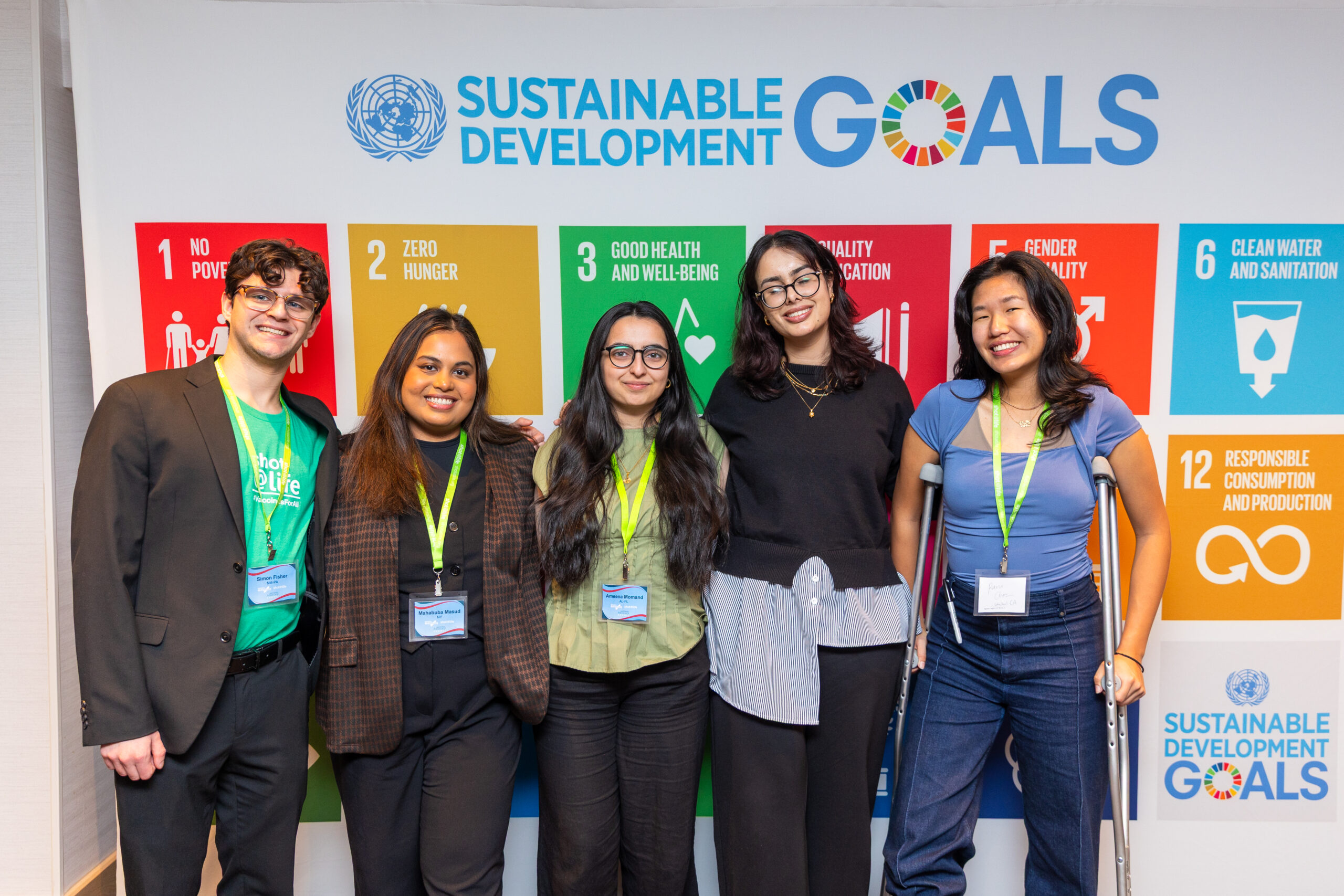
Why Share Your Story?
College Ambassadors Mahabuba Masud and Ameena Momand reflect on their advocacy experience—and share why it's now more important than ever.
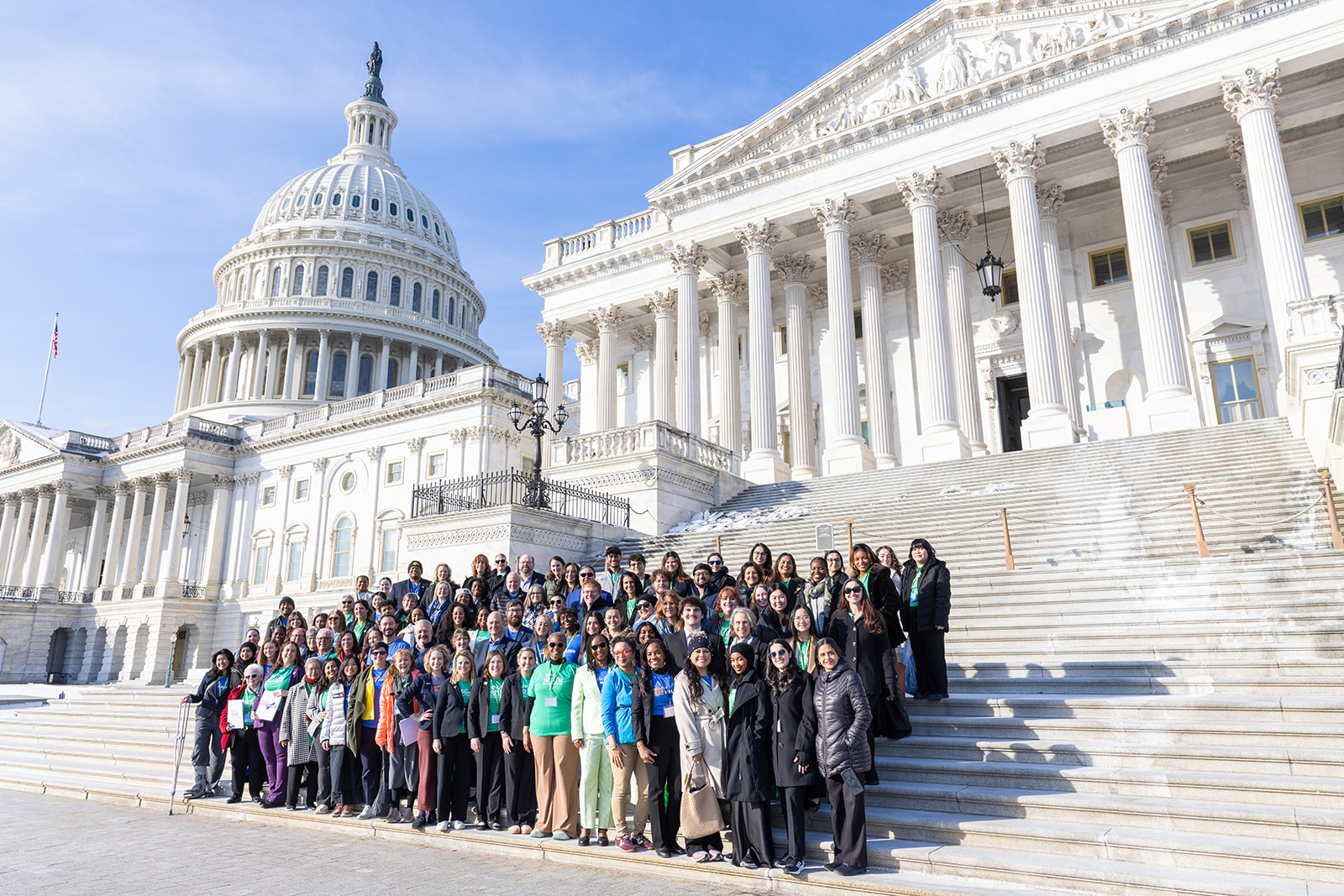
Our 2026 National Advocacy Summit
We’re excited to share highlights from our 2026 National Advocacy Summit – the first held jointly with our sister campaign United to Beat Malaria.
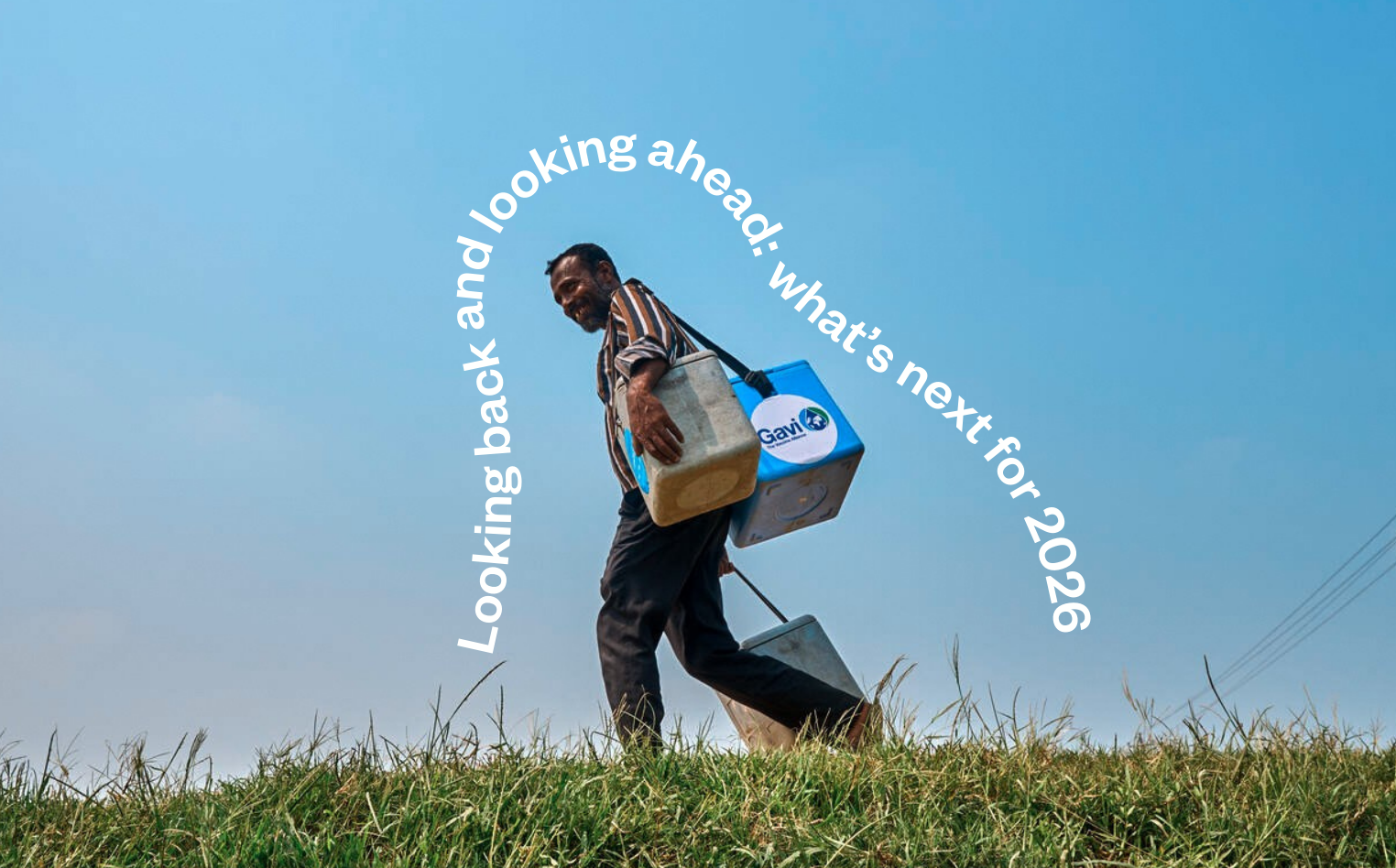
On the Horizon: Looking Back and Looking Ahead
The past twelve months tested the foundations of global health like never before. But even amid funding disruptions, geopolitical shifts, and persistent disease threats, we saw extraordinary resilience in global immunization. And 2026 is poised to be equally as significant.
AMR Unchecked
Antimicrobial resistance is more than a future risk—we are watching it reshape global health in live time, and the long-term implications could be catastrophic without decisive action. Vaccines are a powerful but underutilized lever in this battle; keep reading to find out why.

Fostering Change Against Surging Measles Cases
The world is facing an alarming resurgence of a measles, a direct consequence of declining vaccination rates and disruptions to immunization programs. It’s easy to feel helpless, but beacons of hope persist.
3 Takeaways from UNGA80
From the spotlight on noncommunicable diseases to the push for sustaining our progress against polio, global health was of utmost importance at UNGA80. Keep on reading for our three takeaways from (and around) this year’s Assembly.
Follow us on Instagram
As #WorldImmunizationWeek draws to a close, we’re highlighting one of the real immunization success stories of recent decades: the incredible progress made in the fight against #polio.
From 1,000 children paralyzed every day in the 1980s, we’ve seen a 99.9% decline in cases and stand on the brink of ending this disease forever.
But we can’t stop here. We need to reaffirm our commitment to going the distance, make sure life-saving vaccines reach the last mile, and finally make polio a disease of the past.
Apr 30


It’s World Immunization Week!
Vaccines are one of the most remarkable – and impactful – medical inventions of all time. In the last 50 years, global immunization programs have saved more than 154 million lives.
That’s one life saved every 10 seconds, for five decades.
Today, we’re at the brink of ending polio, have protected countless millions from measles, and can turn the tide against malaria – all thanks to the power of immunization.
But it’s up to us to expand access to vaccines so that every child, no matter where they live, is protected.
#WorldImmunizationWeek
Apr 24

Fighting polio isn’t just about preventing and treating cases. It’s about catching outbreaks before they can spread.
But did you know the early warning systems developed for polio also help catch outbreaks of novel and emerging disease threats?
Check out this episode of Global Dispatches to learn how: https://www.globaldispatches.org/how-existing-disease-surveillance
Apr 21

Thanks to international partnership and U.S. leadership, we’ve made enormous progress against polio – last year, there were just 39 cases of wild polio. But we can’t stop now and risk a comeback.
Ask YOUR Senators to commit to polio eradication today: https://bit.ly/senate-polio-27.
Apr 15

Just three weeks left until World Immunization Week (#WIW).
For over 200 years, vaccines have protected generation after generation. Vaccines have been so successful that many of the diseases that families once feared are now rarely seen in many parts of the world.
Let`s keep up the effort to ensure fewer children die from preventable illnesses, adolescents are protected against diseases that threaten their future, and older generations enjoy longer, healthier lives.
Apr 6

The WHO puts it plainly: delaying climate action undermines decades of public health progress.
In Mexico, for example, 80% of the population is at health risk from extreme weather, and a whopping 35% of diseases may be directly linked to environmental exposure.
Malaria, dengue, respiratory disease, malnutrition—all of it is getting worse as the planet warms. We can`t achieve global immunization goals on a destabilized planet. Climate action = health advocacy.
Apr 2

This #WorldTBDay, we are close to the first tuberculosis (TB) vaccine in more than a century.
TB may seem like a disease of the past, but it remains a leading infectious cause of death worldwide. Keep watching for a timeline of humanity`s oldest and deadliest disease.
Mar 24

South Kordofan, Sudan hadn’t received vaccines in nearly three years. Not because the vaccines don’t exist, but because a siege blocked them. This month, 18 metric tons finally got through, and nearly 25,000 children will be given lifesaving vaccines this year.
Vaccines only work if they can be administered. This delivery is a breakthrough; somewhere in Sudan this month, a child received a measles vaccine for the first time in nearly three years.
Mar 17

Cervical cancer is a vaccine access problem. In a major development, India is joining the 160 other countries that are taking action against it—free HPV vaccines for adolescent girls, nationwide. When political will meets public health evidence, lives are saved.
India`s nationwide HPV rollout is a win for 1.4 billion people, for the girls and women of our future generations, and for the global fight to eliminate cervical cancer as a whole.
Mar 10

Polio isn’t fully gone yet. Outbreaks still happen in under-vaccinated communities, and when they do, the world needs to respond fast. That means having enough of the right vaccines, ready to go, anywhere on the planet.
This latest prequalification helps make that possible by adding another novel oral polio vaccine type 2 (nOPV2) manufacturer to the global supply chain—that means more backup, less risk of shortages, faster protection for kids when it matters most.
Mar 5

In a powerful demonstration of global coordination and scientific agility, the World Health Organization has swiftly updated the 2026-2027 Northern Hemisphere seasonal influenza vaccine to match the rapidly spreading subclade K variant.
After just 4 days of consultation through the Global Influenza Surveillance and Response System, experts from around the world finalized the new composition—helping countries prepare with the best possible protection. Despite leaving WHO earlier this year, U.S. experts participated.
When viruses evolve quickly, rapid, evidence-based updates like this are essential—and global cooperation delivered again.
Mar 2

Good news alert! 🚨 Next-generation flu vaccines could prevent 18 billion cases and save 6.2 million lives by 2050 while also mitigating AMR.
Current flu vaccines work—but protection only lasts one season, and effectiveness varies. Next-gen vaccines aim to offer broader, longer-lasting protection across multiple strains, reaching high-risk groups more effectively.
46 next-generation vaccine candidates are already in clinical development. Science doesn’t stop. 💪
Feb 26

Become a Shot@Life Champion
Are you ready to increase your commitment to fight for global vaccine equity? Sign up for an advocacy training and become a Shot@Life Champion!
Join Us