
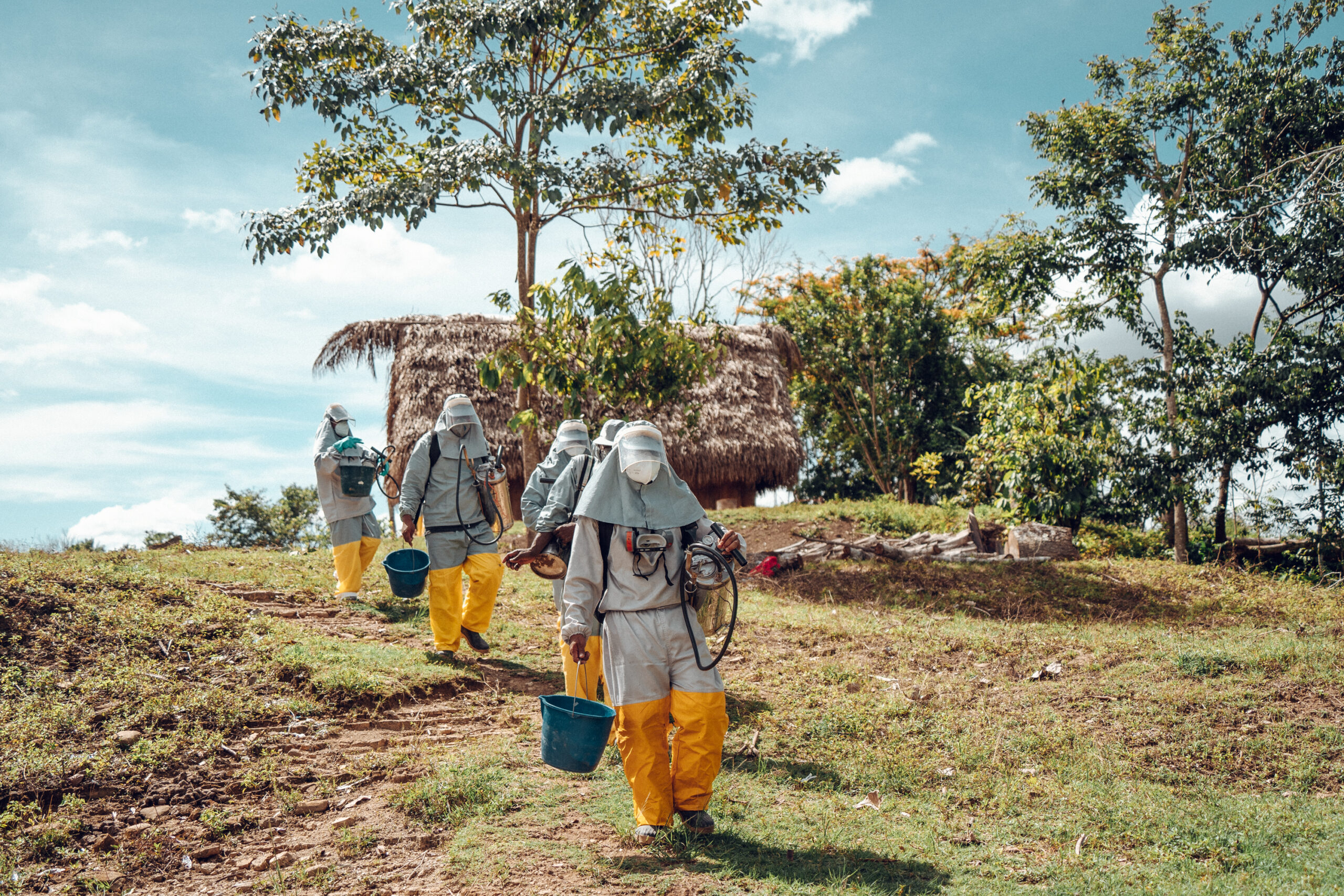
Last week, the Office of Management and Budget (OMB) notified Congress that it would be using more unobligated funds from previous Fiscal Years to close out canceled USAID contracts as part of the shuttering of the organization – including some $2 billion originally appropriated for global health.
It’s money the State Department could use to enormous effect to further the goals of the America First Global Health Strategy. Here’s how.
First, Some Background
In February of last year, the Administration began shuttering USAID and transferring its functions – including global health – to the state department. As part of that process, more than 6,000 USAID “awards,” or grants, were terminated.
But it’s not quite that simple. These were binding contracts, and terminating them means paying out USAID’s outstanding commitments, pending invoices, and settlement fees. And that costs money.
Enter OMB. OMB estimates it has some $19 billion available in foreign affairs funding from previous fiscal years that was appropriated by Congress but not obligated (that is, not legally committed to a specific purpose or recipient). As OMB’s notice to Congress asserts, that money could be used to pay out the outstanding USAID closeout costs. It includes approximately $2 billion in unobligated global health funds from FY25 – funds that will expire in September if they aren’t spent before then.
Importantly, OMB is still calculating the full amount it will need to pay as part of the USAID terminations. That means $2 billion in already appropriated funds that could still be spent on life-saving global health programs – with tremendous effect.
Accelerating America’s Global Health Priorities
This year has been a huge one for State’s America First Global Health Strategy. First published last September, the Strategy builds towards concrete, ambitious goals, including strengthening disease surveillance and significantly reducing cases and deaths from polio, malaria, and other diseases. U.S. health assistance is also moving towards bilateral compacts signed directly with countries.
To date, 32 agreements have already been signed between the U.S. and partner governments in Africa, Asia, and Latin America. The earliest agreements are now moving towards the implementation phase. It’s a critical time for the Strategy, which would continue to gain momentum if the $2 billion in FY25 global health funds are spent on making it a success.
Saving Lives
According to current estimates, the expiring funds include about 31% of the malaria budget for FY25 – about $250 million. That’s on top of 38% of that year’s budget for TB, or $150 million, and 82% of the budget for nutrition, or $135 million. It’s money that could make a real impact if it reaches programs in the field.
According to the Malaria Atlas Project, $250 million could prevent more than 4 million cases of malaria and save between 22,000 and 51,000 lives. Based on previous USAID impact data, an additional $150 million for TB could prevent more than 200,000 cases and save more than 60,000 lives. An additional $135 million for nutrition programs could provide life-saving nutritional support for more than 20 million children.
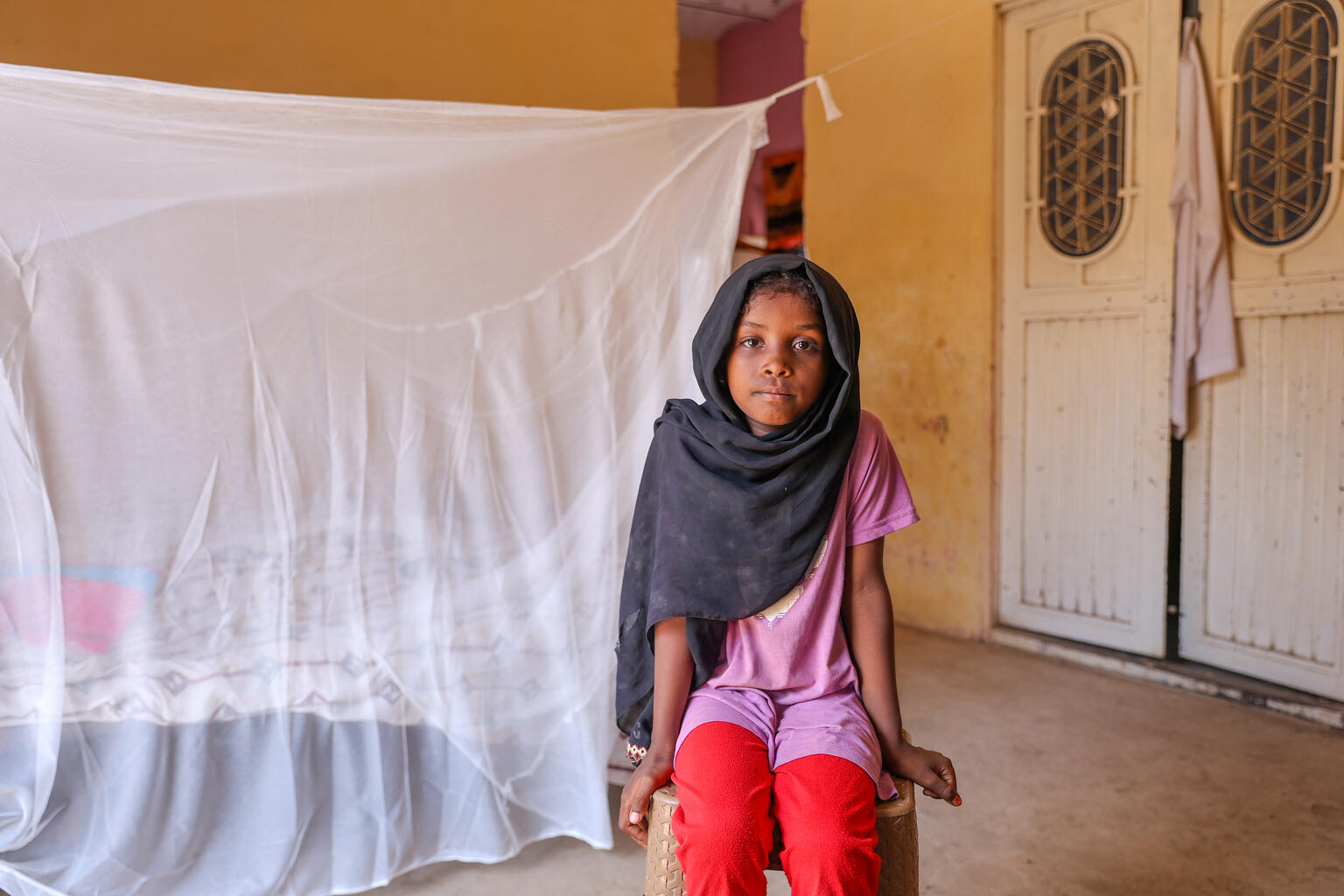
These are tangible impacts – real lives saved, real illness averted – that we could see if State is able to spend these funds as Congress intended.
Keeping America Safe
Strikingly, the expiring global health funds also contain $647 million originally earmarked for global health security. That’s 92% of the global health security budget for all of FY25.
Making America Safer is the very first pillar of the America First Global Health Strategy. The pillar contains concrete goals, including detecting an outbreak within seven days and containing overseas outbreaks within 72 hours of detection. This prioritization is extremely timely.
Just last year, there were more than 100 infectious disease outbreaks across 66 countries, according to the Kaiser Family Foundation. And even that, as they note, is likely an undercount.
Among these were outbreaks of Marburg, a highly contagious disease that kills one in two people who contract it; Ebola, an equally deadly and contagious disease that has repeatedly threatened to become an international epidemic; and avian influenza, strains of which have been infecting humans in countries around the world.
The surveillance and response capability needed to keep Americans safe from these disease threats builds on strong health systems that have been invested in over time. But the urgency of these threats also call for investment now.
What We Choose Matters
Throughout the process of closing USAID and rolling out the America First Global Health Strategy, the Administration has been clear: we are entering a new era of foreign assistance.
What we choose to do now with the resources we have available matters for how that new era gets underway. Will we use resources wisely to save every life we can, protect every American from disease, and build momentum for this next chapter? Or will we let the opportunity pass?
Brent Nagel
Brent Nagel is the Communications Officer for the Shot@Life campaign. Previously, he served as communications officer at the Social Progress Imperative, a global development nonprofit that publishes the Social Progress Index, a leading measure of wellbeing. Brent holds a bachelor’s degree from the University of Virginia, where he studied philosophy and Spanish literature, and a master’s in politics and international studies from the University of Cambridge.
Related Updates
Vaccines Against Mosquito-Borne Diseases
In honor of World Mosquito Day, we look at the ways in which vaccines have and continue to revolutionize progress against mosquito-borne diseases like dengue and malaria.
Cameroon Begins Malaria Vaccine Rollout
Cameroon just became the first country to begin routine immunizations against malaria, with more to follow throughout 2024.