
The FY27 House Foreign Affairs Bill, Explained
Everything you need to know about what's next for global health.
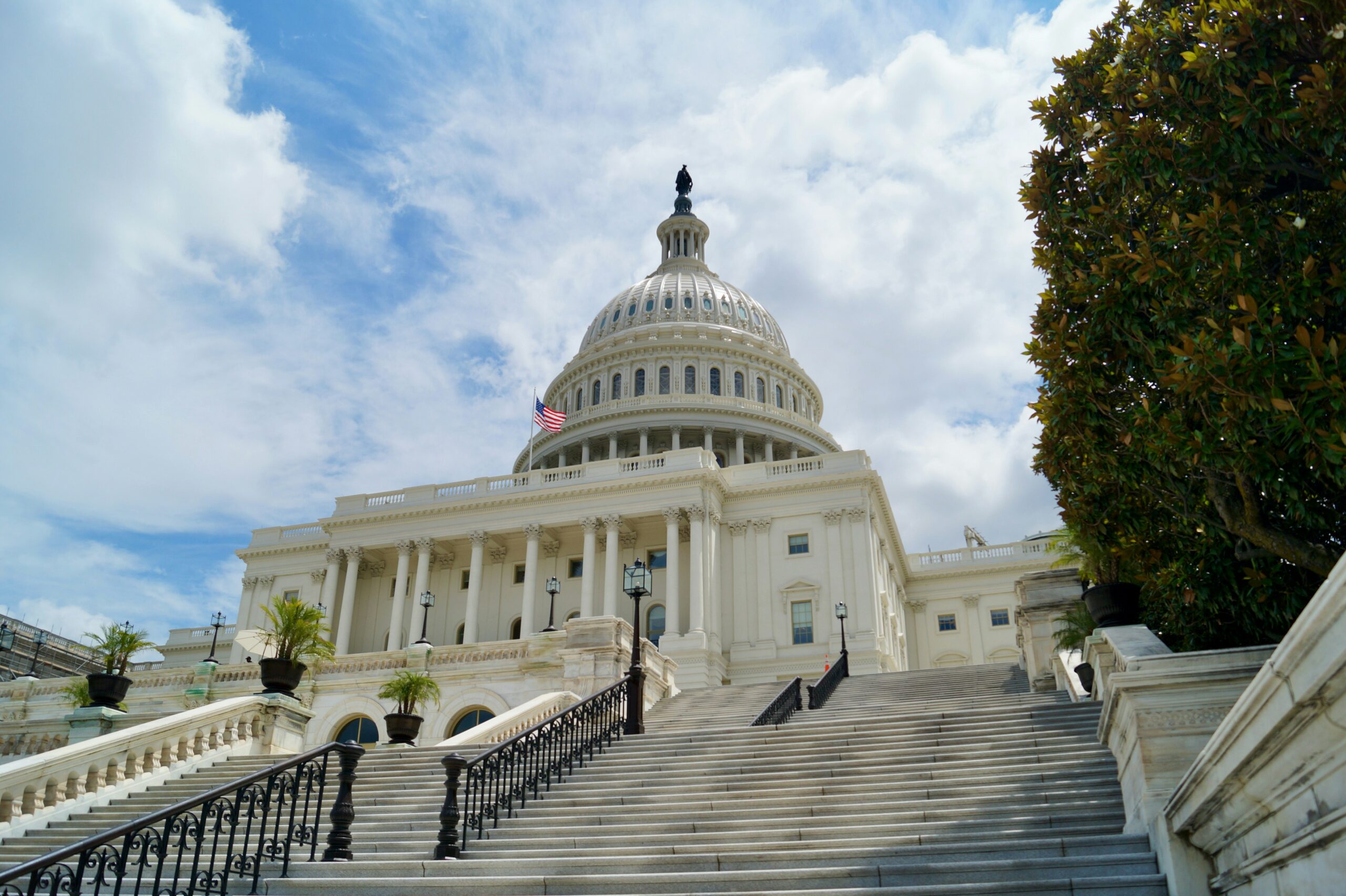
Yesterday, the House Appropriations Committee approved National Security, State Department, and Related Programs (NSRP) legislation for Fiscal Year 2027 on a party-line vote.
Thanks to the incredible work of our Shot@Life and United to Beat Malaria champions across the country, the bill fully funds key immunization and malaria programs.
Both the bill itself and the explanatory report also contain important clues about how House appropriators are thinking about global health going forward.
Here’s what you need to know.
What Do the Numbers Say?
Thanks to the tireless advocacy of Shot@Life, United to Beat Malaria, , and our partners in the global health community, appropriators provided strong funding for global health programs we support:
- $8.88 billion for all Global Health Programs – $520 million below FY26 enacted levels, but $3.78 billion above the President’s FY27 budget request.
- $795 million for malaria-fighting programs and $85 million for polio eradication – level funding in both cases.
- $1.25 billion for the Global Fund – level with FY2026 enacted levels, but $280 million below our request to meet the U.S. three-year pledge of $4.6 billion. The bill maintains the traditional 2:1 match.
- $300 million funding for Gavi, the Vaccine Alliance. Unlike funding for other programs, Gavi funds would be available for just one year.
- Unspecified funds available for global health security programs to accelerate country capacity to prevent, detect, and respond to infectious disease outbreaks. Funding could come from the $957.6 million in unspecified global health program funding.
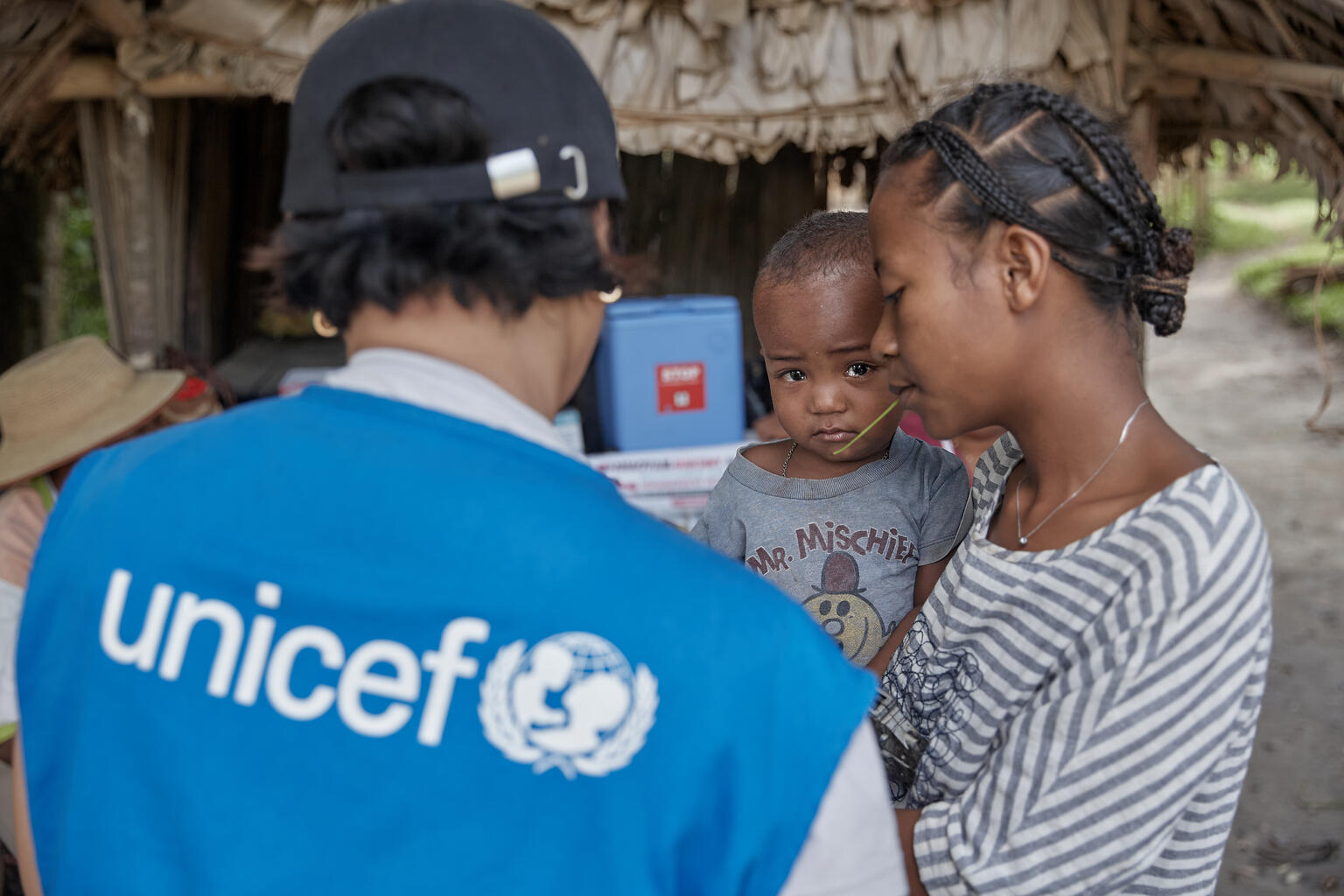
The bill does not include any direct funding for any UN entities, including UNICEF, which provides frontline healthcare to children, or to UNHCR, which cares for more than 100 million refugees and displaced people in challenging humanitarian settings around the world. It would prohibit funding for UNFPA, which provides reproductive health services to women around the world.
This is where things get even more interesting.
The explanatory report includes language requiring the State Department to report on the amount spent annually on the most impactful and cost-effective global health interventions, along with key outcomes achieved. The report specifically lists immunizations and treatments and prevention for malaria, childhood pneumonia, and more.
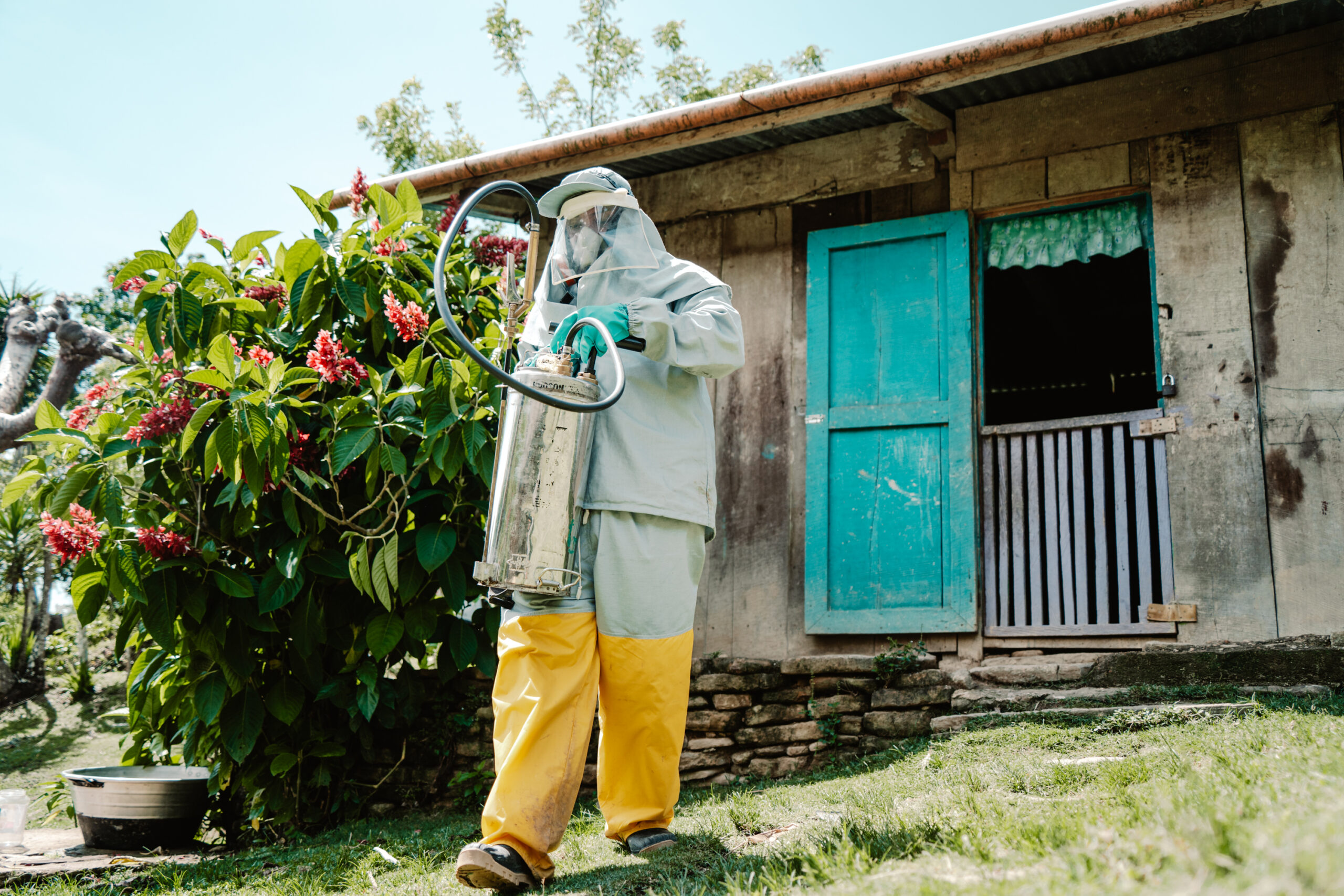
On malaria specifically, the report includes new language directing the Administration to provide metrics like updated figures on case and death rates and the number of nets, tests, and treatments delivered, similar to the annual reporting submitted by the President’s Malaria Initiative (PMI) in the past.
The detailed malaria reporting requirement was a significant request in the sign-on letter our champions took to their representatives, and it’s a major step forward in ensuring the State Department is spending malaria funds as Congress intended.
What about the UN?
The proposed cuts to funding for UN agencies are serious, and we can’t let our guard down – but we have been here before.
House appropriators proposed similar cuts in past Fiscal Years, including FY26, but the final foreign affairs funding bills negotiated with the Senate have historically funded UN agencies like UNICEF, UNHCR, and others.
The report also specifies that funding from the separate National Security Investment Programs account may be used to fund UNICEF specifically – a sign that House appropriators recognize its work is an essential complement to America’s health and humanitarian objectives.
It’s up to advocates to make sure both the House and Senate hear from us throughout the process and understand their constituents want these life-saving programs fully funded.
What’s next?
As experienced advocates know, the House bill is just the first step in a long process that seems to get longer each year. The final foreign affairs spending bill for FY27 will also be subject to input and negotiation on the Senate side. It will also need to clear the 60-vote threshold to avoid a filibuster.
That means there will be many more opportunities for legislators of both parties, in both chambers, to weigh in. It also means that our work is far from done – it’s just getting started.
Keep an eye out for more updates from Shot@Life throughout the appropriations process by following us on social media and keeping an eye on your inbox. The NSRP bill gets us off to a good start, but every voice will count in the fight to get our programs over the finish line.
Brent Nagel
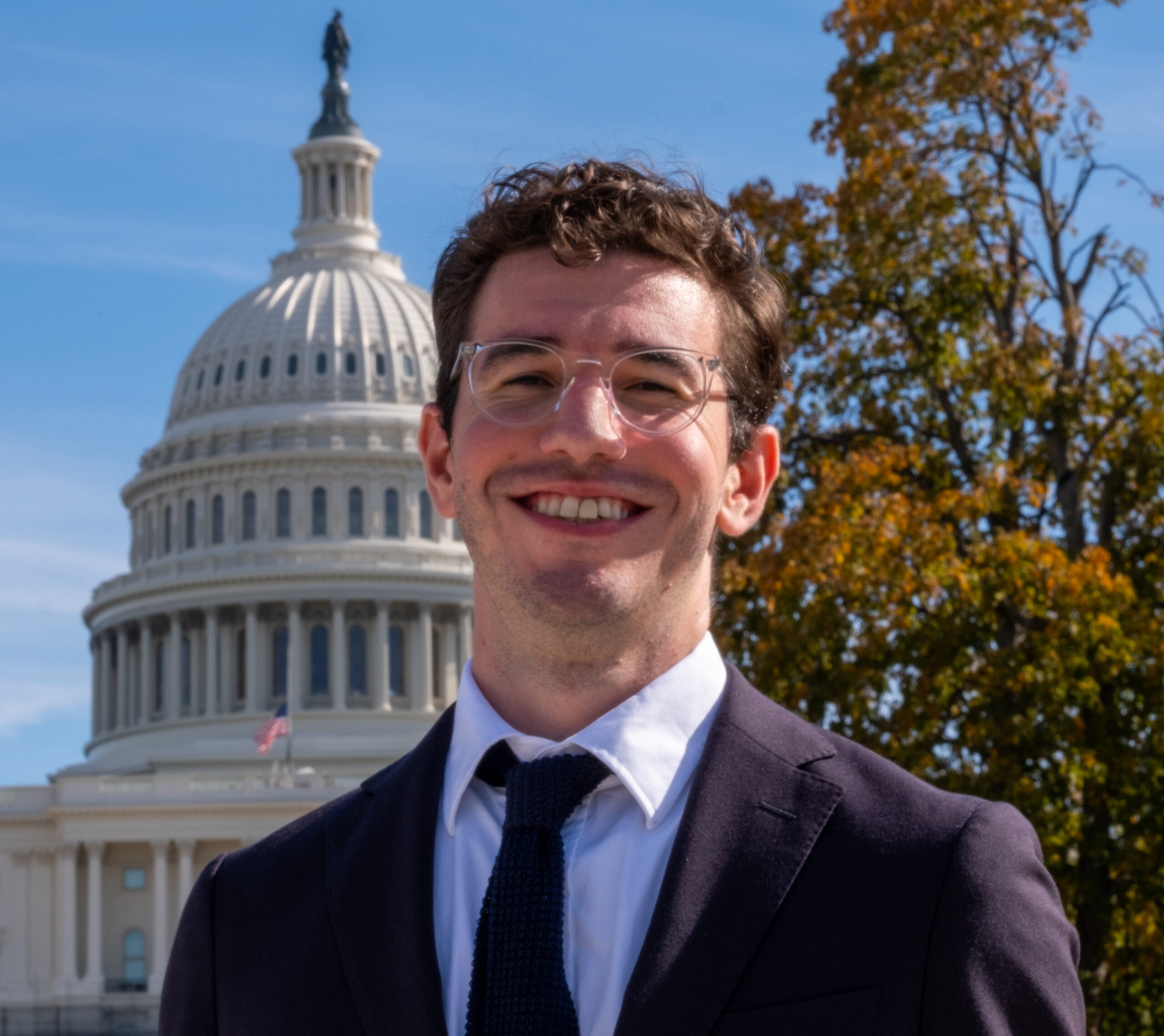
Brent Nagel is the Communications Officer for the Shot@Life campaign. Previously, he served as communications officer at the Social Progress Imperative, a global development nonprofit that publishes the Social Progress Index, a leading measure of wellbeing. Brent holds a bachelor’s degree from the University of Virginia, where he studied philosophy and Spanish literature, and a master’s in politics and international studies from the University of Cambridge.